

LONDON — Public support for the British Royal Family remains broadly positive, with King Charles III recording his highest approval rating since becoming monarch and the Prince and Princess of Wales continuing to attract strong public support, according to recent polling by YouGov and Ipsos.
YouGov’s July 2026 royal family tracker found that 68% of Britons believe King Charles is doing a good job as monarch, the highest figure recorded by the polling organisation since he ascended the throne in September 2022. Only 16% said he was doing a bad job.
The findings suggest that Charles has maintained a relatively stable public standing during the early years of his reign, despite ongoing scrutiny of the monarchy and questions about its future role in British society.
According to YouGov, 62% of Britons held a favourable opinion of the King, compared with 31% who viewed him unfavourably. The figures indicate that his personal popularity remains positive, although a significant proportion of the public continues to express reservations about him.
Prince William and Catherine Lead Royal Popularity Rankings
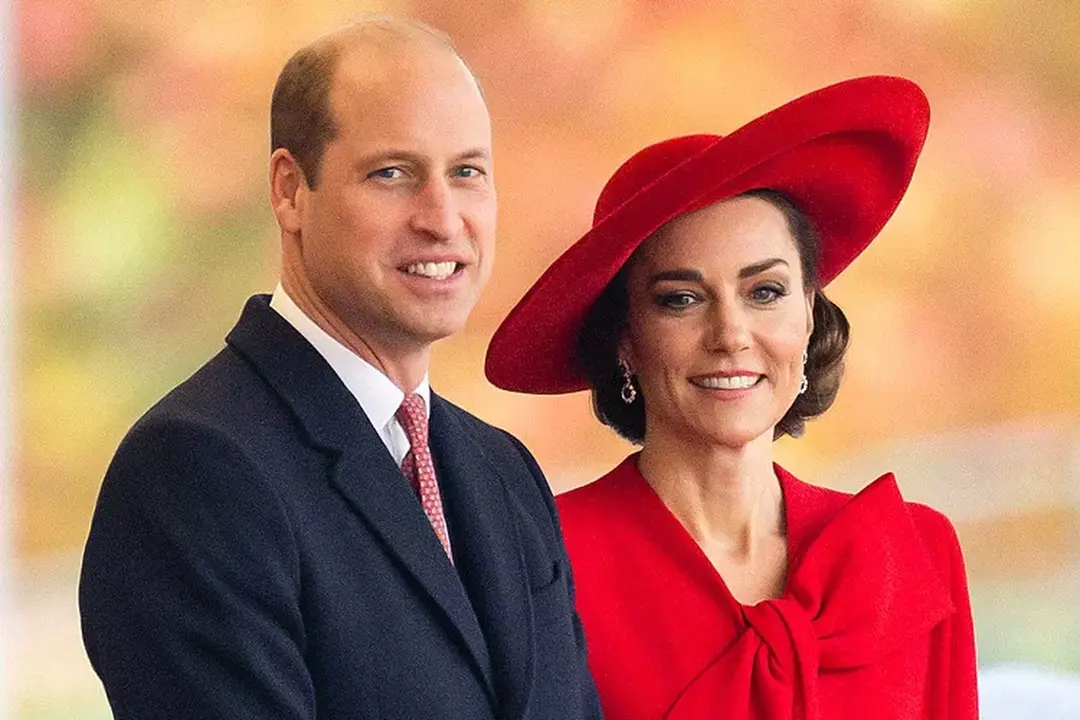
Prince William and Catherine, Princess of Wales, remain among the most popular members of the Royal Family, according to YouGov’s July tracker.
The survey found that 76% of Britons had a positive opinion of William, while 74% viewed Catherine favourably. Their ratings have remained broadly stable in recent years, placing the couple among the monarchy’s strongest public representatives.
Princess Anne also maintained a strong position, with 70% of respondents expressing a positive opinion of the Princess Royal.
YouGov reported that the Duke and Duchess of Edinburgh, Prince Edward and Sophie, also enjoyed favourable public perceptions. Positive opinions stood at 51% for Edward and 53% for Sophie.
The figures indicate that public support extends beyond the King to several senior members of the Royal Family, particularly those who maintain prominent roles in royal duties and public engagements.
Queen Camilla Faces Divided Public Opinion
Queen Camilla continues to attract a more divided response than the King and the Prince and Princess of Wales.
YouGov’s July 2026 tracker found that 43% of Britons viewed Camilla favourably, while 44% held an unfavourable opinion of her.
The narrow difference between positive and negative assessments highlights the challenges she faces in maintaining public approval compared with other senior royals.
Although Camilla regularly participates in official engagements and charitable activities, her public standing remains considerably more polarised than that of William and Catherine.
Harry and Meghan Continue to Face Public Opposition
Public attitudes toward Prince Harry and Meghan, Duchess of Sussex, remain more negative than those toward most senior working royals, although Harry has experienced a modest improvement in his ratings.
YouGov’s July findings showed that 33% of Britons held a favourable opinion of Harry, up six percentage points from May 2025. His unfavourable rating fell five points over the same period to 58%.
Meghan continued to receive less favourable assessments. Only 22% of Britons viewed her positively, while 65% expressed an unfavourable opinion.
The results underline the continuing gap between the Sussexes and other prominent members of the Royal Family. However, the improvement in Harry’s rating suggests that public attitudes toward individual members of the family can change over time.
Andrew Mountbatten-Windsor, formerly Prince Andrew, remained the least popular figure in YouGov’s July tracker. Just 2% of Britons viewed him favourably, while 92% expressed a negative opinion.
Ipsos Finds Broad Support for the Monarchy
Separate research by Ipsos, published on September 16, 2026, found that support for the monarchy remains substantial, although opinions differ across generations.
The survey, conducted online among 1,090 British adults aged 18 to 75 between August 28 and 31, found that 65% of respondents held favourable opinions of both Prince William and Catherine.
Around 52% viewed King Charles favourably, while 53% believed he was doing a good job as monarch. Only 9% said he was doing a bad job.
These figures differ from YouGov’s results because the surveys were conducted at different times and used different polling measures and methodologies. They nevertheless point to a broadly positive assessment of the senior royals.
Ipsos also found that 42% of Britons believed the country would be worse off if the monarchy were abolished, compared with 22% who thought Britain would be better off. Another 29% said abolition would make no difference.
The results suggest that support for the institution is not necessarily universal, but a substantial share of the public continues to see value in retaining it.
Generational Differences Shape the Monarchy’s Future
Ipsos identified a generational divide in attitudes toward the monarchy, with younger Britons generally less enthusiastic about the institution than older respondents.
According to the polling organisation, 83% of respondents considered it likely that Britain would still have a monarchy in 10 years. The figure fell to 74% when respondents were asked about the next 20 years and 54% for a 50-year horizon.
The findings point to a distinction between expectations about the monarchy’s survival and opinions about whether it should continue. Many Britons expect the institution to remain, even as debate continues over its relevance, public cost and constitutional role.
Ipsos also found that 38% of respondents believed reconciliation between Harry and Meghan and other members of the Royal Family would be a good thing. Seventeen percent considered reconciliation a bad thing, while 33% said it would make no difference.
The figures suggest that public attitudes toward the Sussexes remain complicated, with a sizeable portion of the population open to improved family relations despite their relatively low individual favourability ratings.
Royal Approval Remains Positive but Uneven
Taken together, the YouGov and Ipsos findings indicate that the British monarchy retains a broadly positive public standing in 2026.
King Charles has benefited from strong assessments of his performance as monarch, while William and Catherine continue to be among the most popular members of the institution. Princess Anne and the Duke and Duchess of Edinburgh also maintain favourable ratings.
However, the contrasting figures for Camilla, Harry, Meghan and Andrew show that support for the Royal Family is not uniform.
The surveys also highlight an important distinction between the popularity of individual royals and support for the monarchy itself. While some members of the family face substantial public opposition, the institution continues to receive backing from a significant proportion of Britons.
As the next generation of royals takes on a growing public role, their ability to maintain public confidence may prove important to the monarchy’s long-term standing.
For now, the latest polling suggests that the British Royal Family retains a solid base of public support, even as generational differences and individual reputations continue to shape its relationship with the country.


Komentar